


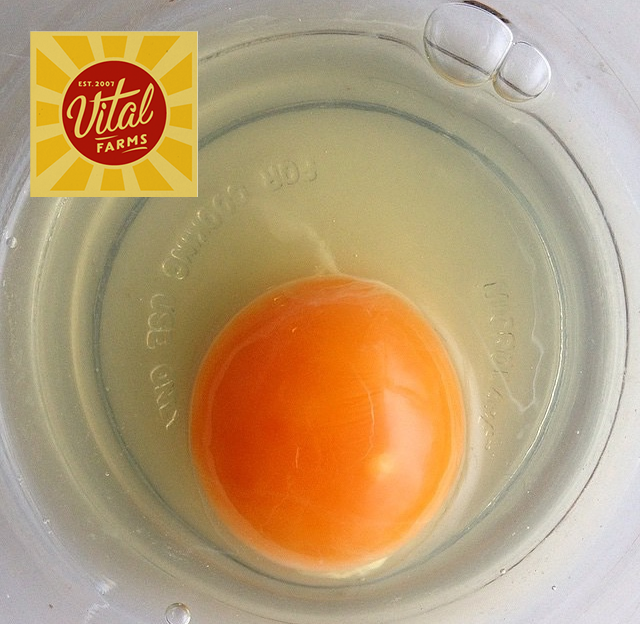
It’s amazing how CHEAP we can be about one of the most common foods, and cooking ingredients, in the world.
We pay a bit more for better ground beef, pork, or poultry. We really spend excessively on beverages, from spirits, to beers, to good coffees and teas. Eggs have always been that place where people feel like they can skimp.
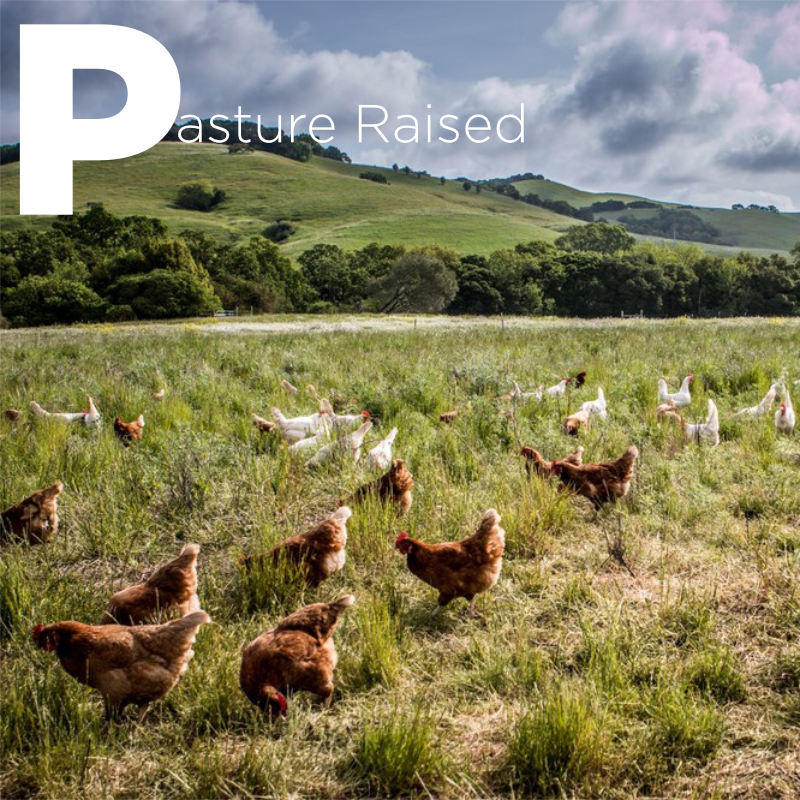
Don’t skimp. Get the good stuff! Buy pasture-raised eggs.
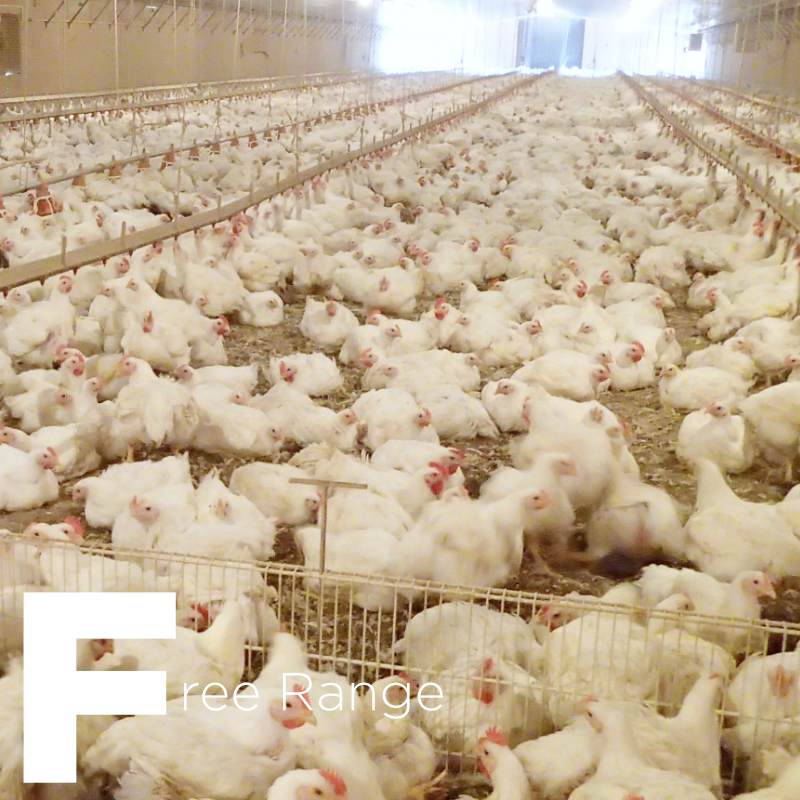
The pasture category is not only getting more crowded, but it’s diversifying.
Vital Farms
When I first wrote this article, there was only one producer, nationally, of pasture raised: Vital Farms, a Texas producer which was kick-started with some Whole Foods’ venture capital money.
It now has more than 90 family farms all over the United States that pasture-raise their eggs, selling under the Vital Farms red dot.
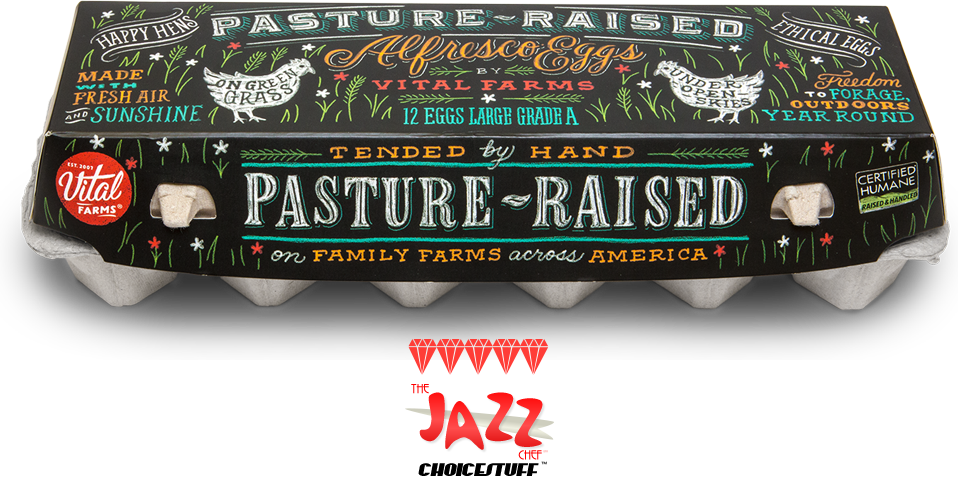
Their eggs run $5-7/box, depending on your area, and how competitive the pasture-raised category is getting. They’re an eggscellent choice (sorry), nationally, but no longer the only one.
New Breed on the Block – Heritage Eggs
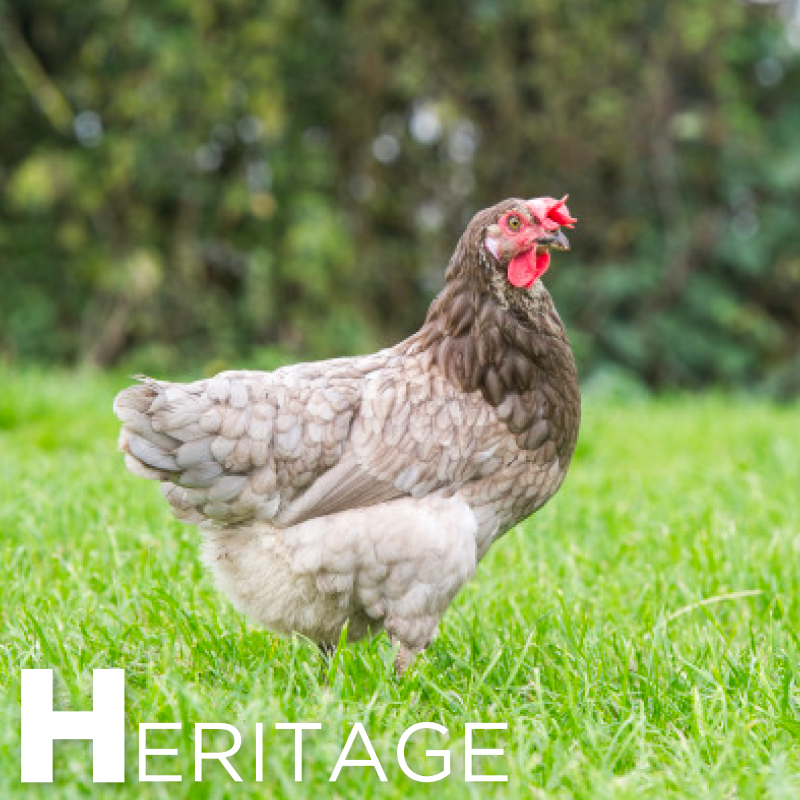
One of the new wrinkles, in 2020, are premium eggs from “Heritage Breed” hens. They’re chicken sub-species from the pre-industrial farm days. Eggs that you’d more commonly see from small, local producers at a farmer’s market. One company, nationally, features them, although you can find many local producers that hit farmers’ markets with them.
The Happy Egg Co.
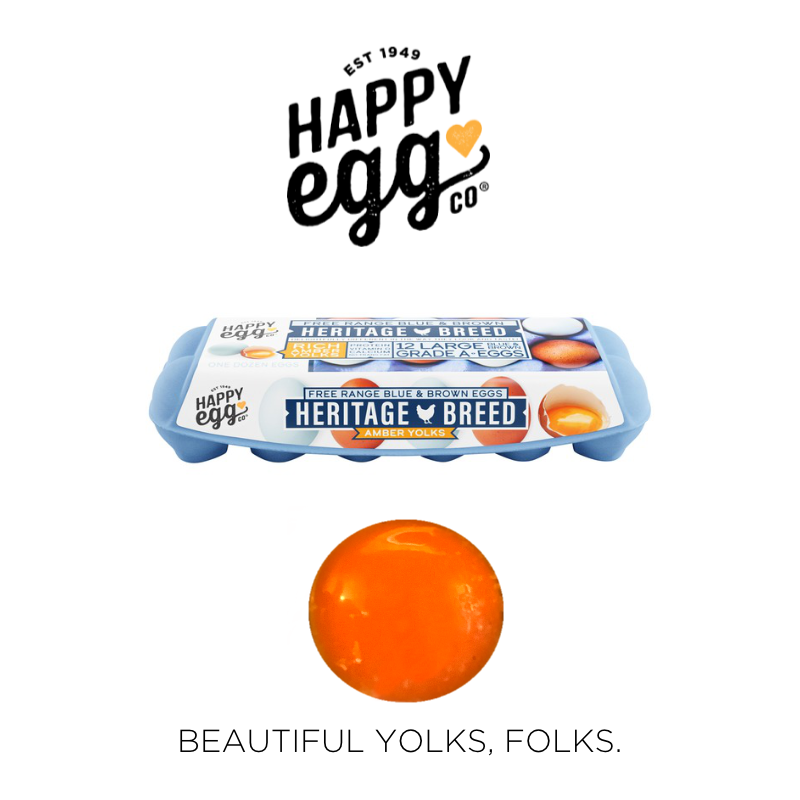
The Happy Egg Co. offers both price-competitive eggs to Vital Farms, and a premium “Heritage Breed” egg, which is very pricey, about $8.19/dozen here in Florida, as of this writing, but the results of what they do to transform recipes… Look at my Swedish pancakes, made with Heritage Breed eggs:

See how much the added beta carotene in the egg brings out the color of the pancake?
The taste, which depends on the egg, also amps up quite a bit, even from other pasture-grade eggs like Vital Farms, or The Happy Egg company’s regular pasture-raised.
Does the Shell Color Matter?
No, and yes.
No. All chicken eggs’ taste is a function of their diet, exercise, and, for some breeds, their emotional state. There’s a reason that some breeds were not heavily used for mass egg production. They just aren’t wired for it. Close proximity makes them insane. An insane bird doesn’t produce.
So, yes. White eggs are almost always from factory-farm, mass-production hens. They’re from Leghorns, the most common chicken sub-species. Farmers, and scientists, have used breeding to encourage higher egg production of an easier-to-use egg, with a thinner shell. The conditions in which the hens are kept also contributes to the more fragile eggshell.
Non-white eggs are better.
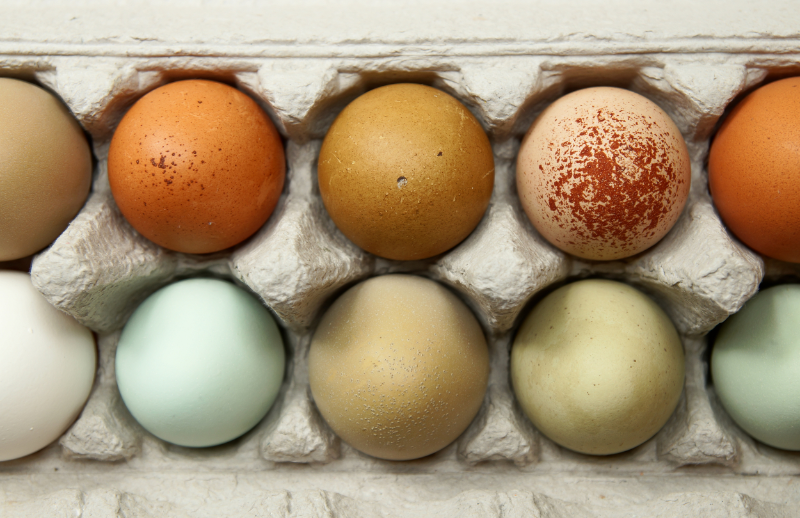
They come in many varieties. The most common? Brown; and blue. A few heritage breeds produce eggs that are: Speckled brown; green; and even chocolate-colored.
White ain’t right because the hens live in crowded dens, but, if they’re pasture raised, brown gets the crown; blue’s got a cool hue; and no one gets heckled for using a rare speckled.
Egg Labels Worth Knowing
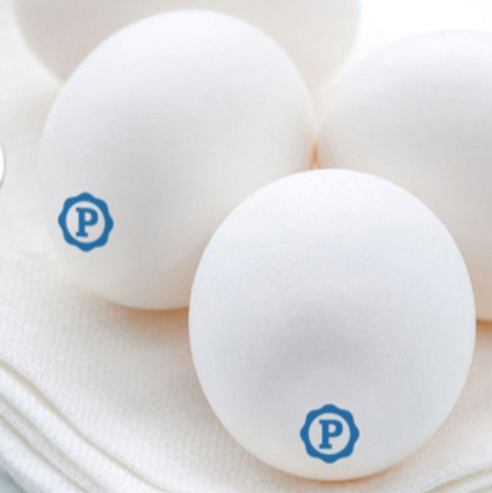
Pasteurized
(Not Pasture-Raised) – Davidson’s Safest Choice® are conventional eggs, but they’ve been pasteurized in the shell.
They’re useful for making cold dishes, from high protein smoothies, to caesar salads, to ice creams in the Ben & Jerry’s recipe style, where you want the safety of a “clean” egg that is certified free of harmful bacteria.
For my germaphobes, don’t spend the money on these, if you only eat cooked eggs. When you cook eggs, where the heat rises above 59°c / 138°F it kills any potential bacteria.
Pasteurized eggs are conventional eggs. They lack nutritional value.
Since we generally don’t worry about the nutritional value of ice cream, though, and smoothies are generally packed with other nutrients, pasteurized eggs are really only best for cold applications of raw egg.
Davidson labels such eggs with a blue “P” to let you know that the egg has been pasteurized.
Egg Labeling That’s Total Hype
Label “lures” – Egg purveyors put all kinds of nonsense out there on the boxes to lure you to spend more money on buzzwords that they know you’ll fall for.
- GMO-Free. The PC pitch. Pasture-raised birds’ feed has to comport to that standard already to be pasture-raised. Pure marketing hype, right up there with the “gluten free” label that I saw on one brand of chicken. Silly.
- Organic – The other big pitch. We’re conditioned to think “organic” anything is better. Here, it just means that the feed that the birds receive, if they’re grain fed, is organic grain. That’s good, though, right? Not really. Organic grain can be the low-grade leftovers of organic grain products for humans. The remnants, lacking nutrition, are used in conventional egg operations, often with cheaper nutrient boosters. As long as the grain was raised organically, it passes the label test.
- Omega-3 boosts – Farms touting this on their boxes usually add flax to the diets of their mass-production hens. It may make a caged hen’s mediocre egg a bit better, but they’re still eggs lower in nutrition, when compared to a pasture-raised egg. Pasture-raised are naturally higher in Omega 3, and outstrip the “diet-augmented” caged egg.
Most Omega-3 is wasted by you, though. If you read my article on cooking the perfect egg, you’ll realize that 99% of pros, and home chefs alike, cook most of the Omega 3 out of the eggs anyway, using too much heat.
- Vegetarian Fed – Birds that can forage produce better eggs. If you are vegetarian and eat eggs, it is good to understand that the birds are better off eating what they like. Your diet isn’t theirs. Most of them aren’t too PC about downing a worm, or ten.
- Hormones/Antibiotics Free – More marketing mendacities. Laying hens aren’t given hormones ever. Hens requiring antibiotics are taken out of production of eggs for human consumption.
How To Pick Out Great Eggs
Now that you know what the right kind of eggs are to buy, how do you sift out all of the brands?
- What’s a good box of eggs?
- Is it better to buy at the market, or wait for a farm at a farmer’s market?
- What should I watch out for?
What to Watch For:
- Egg brands – Eggs never landed much of a premium, or even much distinction from farm-to farm, until “Egg Beaters” started selling as a low cholesterol diet alternative through good branding. The farms jumped in. So now the game is on!
- Cool box – Pretty packaging isn’t a guarantee of great eggs, but it’s also not a total scam.
- Carpetbagger Egg Companies – Dairy farms with big names have jumped into eggs to see if you’ll take your brand-loyalty with you.
- Feel Matters – Shell strength says something about the production. Legit pasture eggs are laid by hens that produce eggs built to withstand mother nature. Standards in the industry are voluntary, and egg scams are on the rise.
- Open the box, and look at the eggs. Pick one up.
- Shells should be solid, not thin. Put a thin commercial egg and a pasture egg in each hand. Don’t worry if anyone is staring at you in the egg aisle. You can feel the difference.
- Size Matters – Some pasture producers put out eggs as they come. So you’ll get a jumble of sizes. Some size like every other egg company. If you can use different sized eggs for different applications, then the jumble may be okay. If not, then get the consistent sized with good strong shells.
- Smell Matters – If there is a decided bacterial smell, or a strong whiff of sulfur which salmonella bacteria put out, avoid.
- Condition of the Box Matters – If the box is wet, or egg-stained or other than firm, clean-smelling and right, grab another box, or another brand. Some companies use cheap boxes that damage eggs easily. If they aren’t willing to spend money to package them right to get them to market, what does that say about their “thrift” in production?
- Date Matters – Look at the dates on the boxes. My big green Southern supermarket loves to buy stuff on the bare edge of its “Best by” or “use by” date, possibly because so many of its customers are probably right near their own “best by” dates.
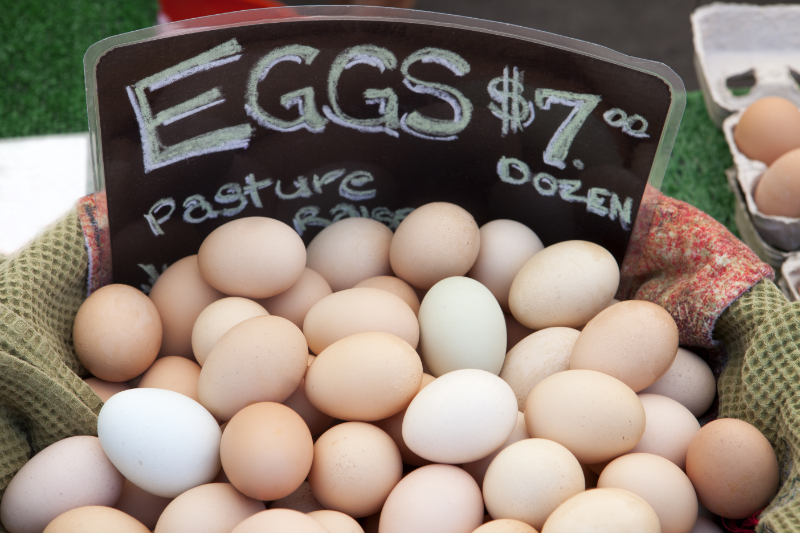
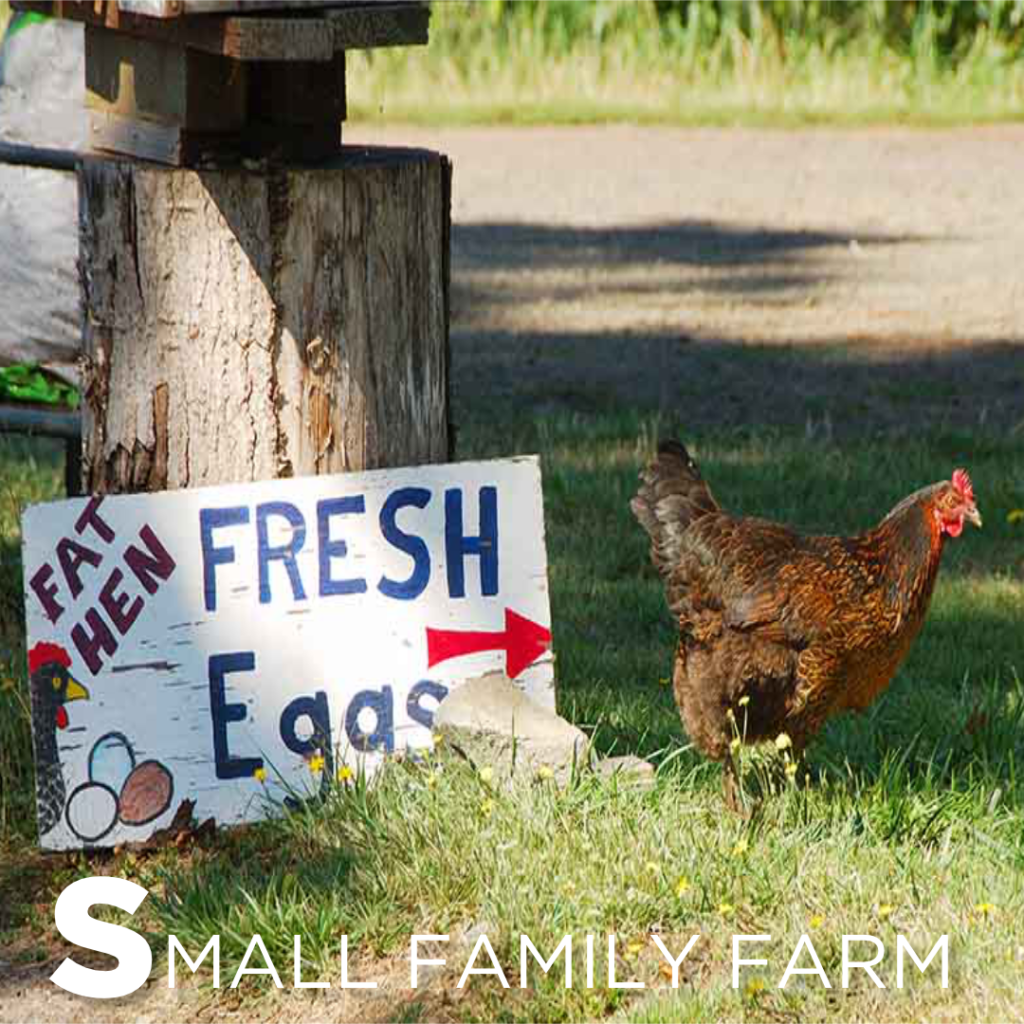
There are a growing number of people who raise their own chickens in their back yards, or on small farms, trying to cash in on the farm-to-table movement by selling them at roadside stands, farmer’s markets, etc.
Locally sourced is good, but several things that you should know if you buy local:
Buying eggs at one of the many local farmer’s markets that have sprung up sounds like a good way for smaller consumers to connect with their egg supplier.
Health-conscious shoppers tend to equate farmer’s markets or small roadside stands with “good” and “healthy” and “socially responsible.”
Don’t assume, just because they’re local, that they’re any of those things. Take reasonable precautions:
- Ask if the eggs are their production. If no, where do they source their eggs?
- How are the hens housed? Ask how they produce. In stores, labels have to be right, or producers can face stiff penalties. Little operators at farmers’ markets have little to no oversight.
- See how the eggs are stored at the point of sale.
A cooler that’s minimally below 4°c/40°F is a must! The lower the temp the better, to keep salmonella, which can find its way INSIDE the egg, randomly, from growing.
Thus this “homey” egg display, that you’ll see at many spring, and summer farmers’ markets, is a bacteria farm. Warm eggs provide a breeding ground for salmonella.
If there is any indication that they’ve been out at room temperature, the heat, in the sun, avoid them!
- Some roadside eggs will be in coolers. If the cooler isn’t below 4°c/40°F, take a pass.
- Avoid reused boxes. A growing number of aspiring egg farmers grab used egg crates or egg palettes from restaurants and bakeries, sometimes even from dumpsters. That soft cardboard is a breeding ground for bacteria. If there is any sign of staining, or crusted dry egg on any of the boxes, don’t buy from that vendor!
Local Egg Culture
If you’re new to the area, and want to buy from folks hawking eggs on their property or at stands by the roadside, ask locals about the stands. Which ones are for real, safe, and which ones are not? Usually, people who live in the area know the great, good, and bad.